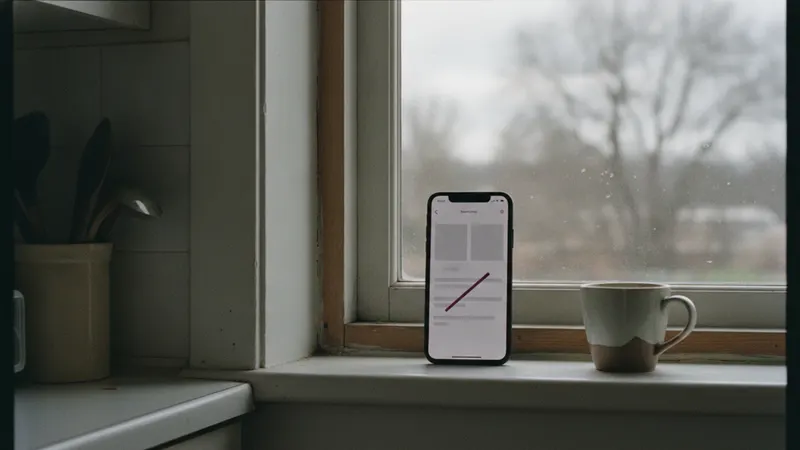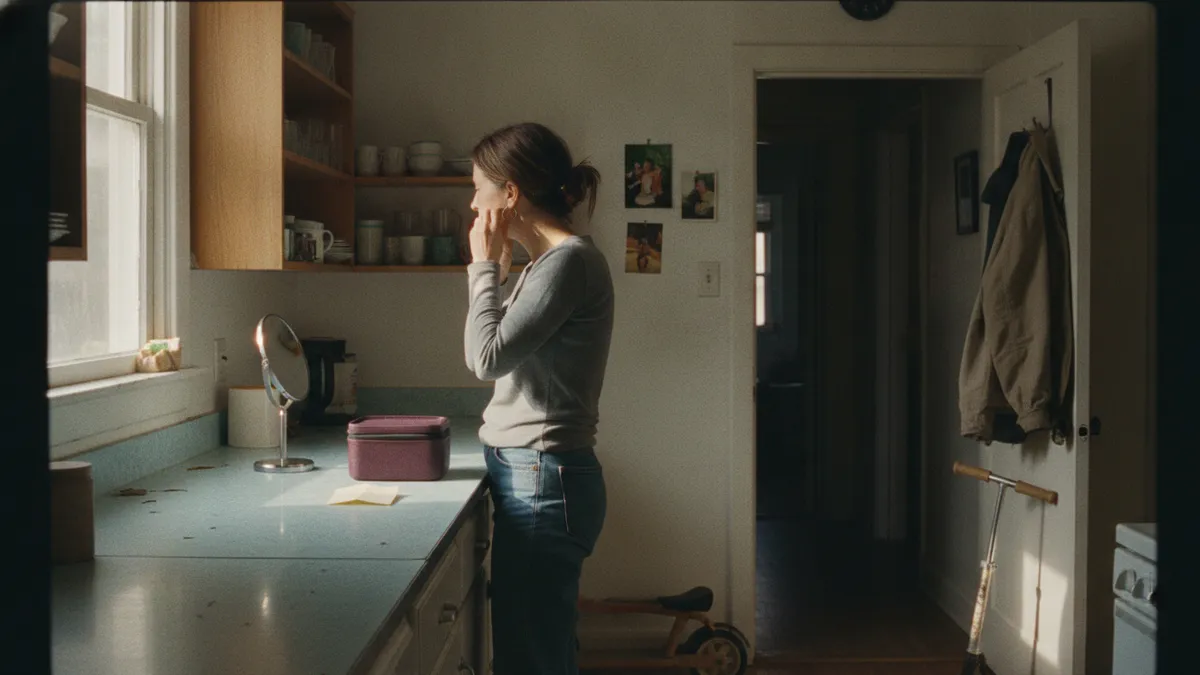
Single mom dating rules are the handful of constraints that survive contact with an actual week, as opposed to the timelines and waiting periods that circulate under the same name. There are three of them, and only one is non-negotiable: the first stage of dating happens entirely without your child. The other two are practical — evenings come from arrangements, and profiles are public documents.
This page is the frame for the section. It sets out which rules are real, which are invented, what these pages will not tell you, and which page answers which question. Everything specific is one click down.
Which rules are actually rules?
Only the one about your child, and it is a rule because it cannot be walked back. An introduction is the first time your child meets someone you are dating, and it is a decision made in the child’s interest rather than a milestone in the relationship. It has an order that protects the child, and that order is the whole subject of introducing your kids to someone you’re dating, which also treats sleepovers as a separate decision made afterwards.
The second constraint is about the calendar rather than about you. Evenings are produced by arrangements — a sitter, a grandparent, a handover night — so dating gets planned the way everything else in your week gets planned. Advice that assumes spontaneity is not advice for this situation. For example, “just go out more” is a sentence written by someone who has never had to find a Thursday.
The third is about publication. A public profile is any page a stranger can reach without your permission, which is most of what an app shows. Saying you have a child belongs there; publishing the child does not.
What has to stay off a public profile?
Photographs of your child, their name, their school, and anything that pins an age to a place — including incidental details such as a uniform in the background of a photograph of you. Everything else is a matter of taste. The line about having a child is worth writing once and reusing, because it saves both sides a conversation neither wants to have on the third message.
How to word that line, what to put in the rest of the profile, and which details quietly identify a household are on the dating profile page. It is the most practical page in this section, and the right first stop if you are setting something up this week. Which platforms are worth the effort is a separate question, answered in the app reviews. Pew Research Center reported in 2023 that three-in-ten U.S. adults say they have ever used a dating site or app. That is all adults and it is “ever used”, so it settles nothing about your case — it only tells you the category is ordinary.

When should you start?
When the practical conditions exist, not when a number of months has passed. This site publishes no timeline, because none can be sourced and inventing one would be the easiest mistake here to make. The signs worth checking are dull and checkable: childcare you trust, a week with room in it, and wanting this rather than feeling owed it.
The page on when to start works through those signs without a countdown, and says plainly which questions it cannot answer. Consider two mothers with identical circumstances and opposite answers — both can be right, which is exactly why the month count is folklore.
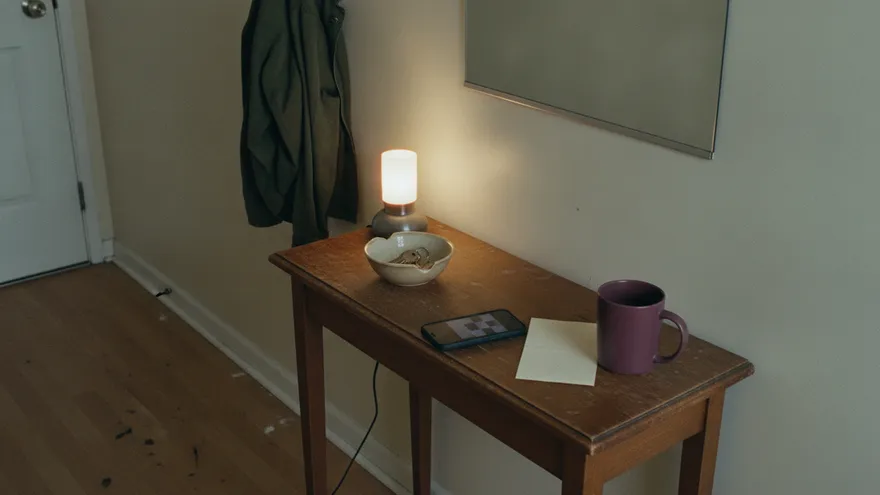
Why does an evening out feel like a cost?
Because the cost is visible and the benefit is private. Childcare has to be arranged, a morning gets rearranged, somebody’s help gets used up, and none of that produces anything a child can see. That accounting is common, and it is not a moral fact about you.
Parental burnout is a research construct measured by a questionnaire, not a diagnosis, and it is not the same thing as an ordinary hard month. The difference matters, because one of them responds to a rearranged week and the other does not. More than 77% of single parents were classified as lonely in a 2021 Cigna survey cited in the U.S. Surgeon General’s 2024 advisory, compared with 65% of parents and guardians overall — a survey scale result, not a diagnosis, and not an argument for dating sooner. Guilt and running on empty covers where this stops being an article’s job and becomes a doctor’s.
What does this section not cover?
Anything requiring a lawyer, an accountant or a clinician: custody, child support, benefits and tax are out of scope on every page here, and the pages say so rather than hedging. Nothing here assesses your particular arrangement, and nothing here will tell you whether a specific person is safe to bring near your household.
It also carries no invented numbers. No waiting period, no share of parents who find someone, no age at which a child copes better with an introduction. Where a figure exists and can be sourced it sits on the statistics page with the wording it allows.
Which page answers which question?
Four pages, one question each. The profile page handles what to write and what to withhold. When to start handles timing without a timeline. Introducing your kids handles the order that protects a child, including sleepovers. Guilt and running on empty handles the evenings that feel like a cost.
One neighbouring section is worth reading precisely because it is not addressed to you. The pages in dating a single mom describe what the person across the table is being told about your calendar, and they are written on the assumption that you will read them.